


Everything You Need to Know About Retinol After 50
Retinol is often hailed as a skincare powerhouse, but understanding how it fits into your skincare routine after 50 requires a bit of insight. As our skin ages, its needs evolve, and retinol can play a key role in maintaining healthy, vibrant skin. Here’s everything you need to know about using retinol effectively and safely in your 50s and beyond.
- SkinMedica Age Defense Retinol Complex .25 – This product offers a gentle introduction to retinol, which is suitable for beginners
- Avène RetrinAL 0.1 Intensive Cream – Ideal for sensitive skin, this cream combines retinaldehyde with soothing thermal spring water.
- Herbivore Bakuchiol Retinol Alternative Smoothing Serum – For those seeking a retinol alternative, this serum utilizes bakuchiol.
Keep reading to discover more about retinol, natural alternatives, and our recommended products.
What Is Retinol?
Retinol is a derivative of Vitamin A, an essential nutrient for skin health. It is one of the most researched and recommended ingredients for addressing various signs of aging, such as fine lines, wrinkles, uneven skin tone, and loss of elasticity. Retinol works by stimulating cell turnover and collagen production, helping your skin renew itself more effectively.
Why Use Retinol After 50?
As we age, our skin’s natural cell turnover slows down, and collagen production decreases. This can lead to:
- Fine lines and wrinkles becoming more pronounced.
- Hyperpigmentation or age spots.
- Dullness and uneven texture.
- Loss of firmness in the skin.
Retinol helps combat these issues by encouraging new cell growth and improving collagen synthesis, making it an ideal ingredient for mature skin.
How to Introduce Retinol to Your Routine
Using retinol for the first time can be daunting, especially if you have sensitive or dry skin. Here are some tips to help you integrate it into your routine:
- Start Slowly: Begin with a low concentration of retinol (0.1% or less) and use it once or twice a week.
- Apply at Night: Retinol can make your skin more sensitive to sunlight, so it’s best applied in the evening.
- Moisturize: Use a gentle moisturizer to minimize dryness and irritation.
- Don’t Overdo It: A pea-sized amount is enough for your entire face.
- Use Sunscreen: Always use sunscreen during the day to protect your skin from UV damage, as retinol can increase photosensitivity.
Common Side Effects and How to Manage Them
Some common side effects of retinol include:
- Dryness and flaking: Use a hydrating serum or moisturizer to counteract dryness.
- Redness and irritation: Reduce the frequency of application or switch to a lower concentration.
- Increased sensitivity: Be gentle with your skin and avoid combining retinol with other products like exfoliants.
Choosing the Right Retinol Product
Here are some factors to consider when selecting a retinol product:
- Concentration: Start with a lower concentration and gradually increase as your skin builds tolerance.
- Formulation: Look for products labeled “time-release” or “encapsulated retinol” to minimize irritation.
- Hydrating Ingredients: Products with added hyaluronic acid, ceramides, or glycerin can help offset dryness.
Read 10 Best Cleansing Towelettes for Women Over 60.
Different Concentrations of Retinol
Retinol products come in various concentrations, and understanding these can help you choose the best option for your skin type and needs:
- Low Concentration (0.01% to 0.03%): Ideal for beginners and those with sensitive skin, these concentrations provide mild exfoliation and help with early signs of aging.
- Moderate Concentration (0.04% to 0.1%): Suitable for users with some retinol experience, these products offer noticeable improvements in skin texture, tone, and fine lines.
- High Concentration (0.5% to 1%): Recommended for advanced users or those with significant sun damage and deep wrinkles. These concentrations deliver powerful results but can also cause more irritation, so they should be used with caution.
Read A Clinical Anti-Ageing Comparative Study of 0.3 and 0.5% Retinol Serums: A Clinically Controlled Trial for more information regarding concentrations and results.
The Controlled Use of Retinol in the USA
In the United States, the use of retinol is regulated depending on its concentration and formulation. Over-the-counter (OTC) retinol products typically contain lower concentrations, ranging from 0.01% to 1%. These products are widely available and do not require a prescription, making them accessible for general use.
Prescription-strength retinoids, such as tretinoin (Retin-A) and adapalene in higher concentrations, are more potent and effective for treating severe skin concerns like deep wrinkles, acne, or significant sun damage. These formulations can only be obtained through a dermatologist’s prescription due to their potential for increased irritation and the need for professional monitoring.
If you are new to retinol or have sensitive skin, starting with OTC products is recommended. However, for more advanced concerns or if OTC products are not providing the desired results, consulting a dermatologist for prescription options may be beneficial. Always follow usage instructions carefully to avoid adverse effects and maximize benefits.
Alternatives to Retinol
If your skin doesn’t tolerate retinol well, consider these gentler alternatives:
- Bakuchiol: A plant-based retinol alternative with similar benefits but less irritation.
- Peptides: Help stimulate collagen production without causing dryness.
- Niacinamide: Reduces inflammation and improves skin texture.
Read 10 Best Facial Cleansers for Women Over 60.
When to Consult a Dermatologist
If you’re unsure about introducing retinol into your skincare routine or if you experience severe irritation, consult a dermatologist. They can recommend prescription-strength retinoids or tailor a skincare plan suited to your needs.
Retinol can be a game-changer for your skin after 50, but it’s important to use it wisely. With the right approach and a bit of patience, retinol can help you achieve smoother, firmer, and more radiant skin. Remember, consistency is key, and always prioritize hydration and sun protection to maximize the benefits of this powerful ingredient.
Read Facial Peels: The Best Options for Women over 70.
Products with Retinol
SkinMedica Age Defense Retinol Complex .25
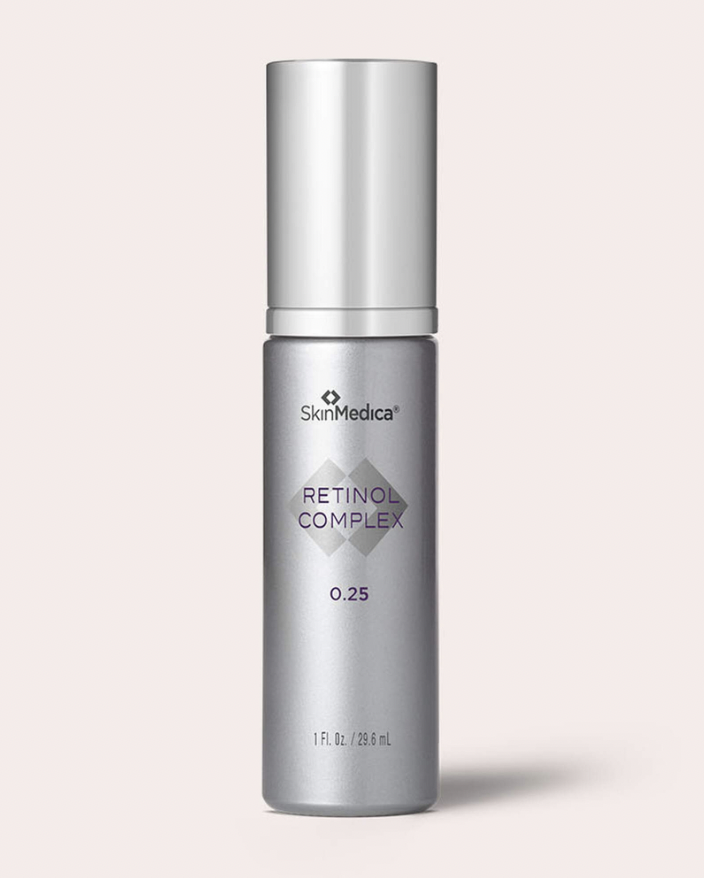
This product offers a gentle introduction to retinol, which is suitable for beginners. It contains antioxidants and soothing ingredients like ceramides and niacinamide to minimize irritation.
Avène RetrinAL 0.1 Intensive Cream

Ideal for sensitive skin, this cream combines retinaldehyde (a retinol derivative) with soothing thermal spring water to reduce wrinkles and improve skin texture.
RoC Retinol Correxion Deep Wrinkle Night Cream
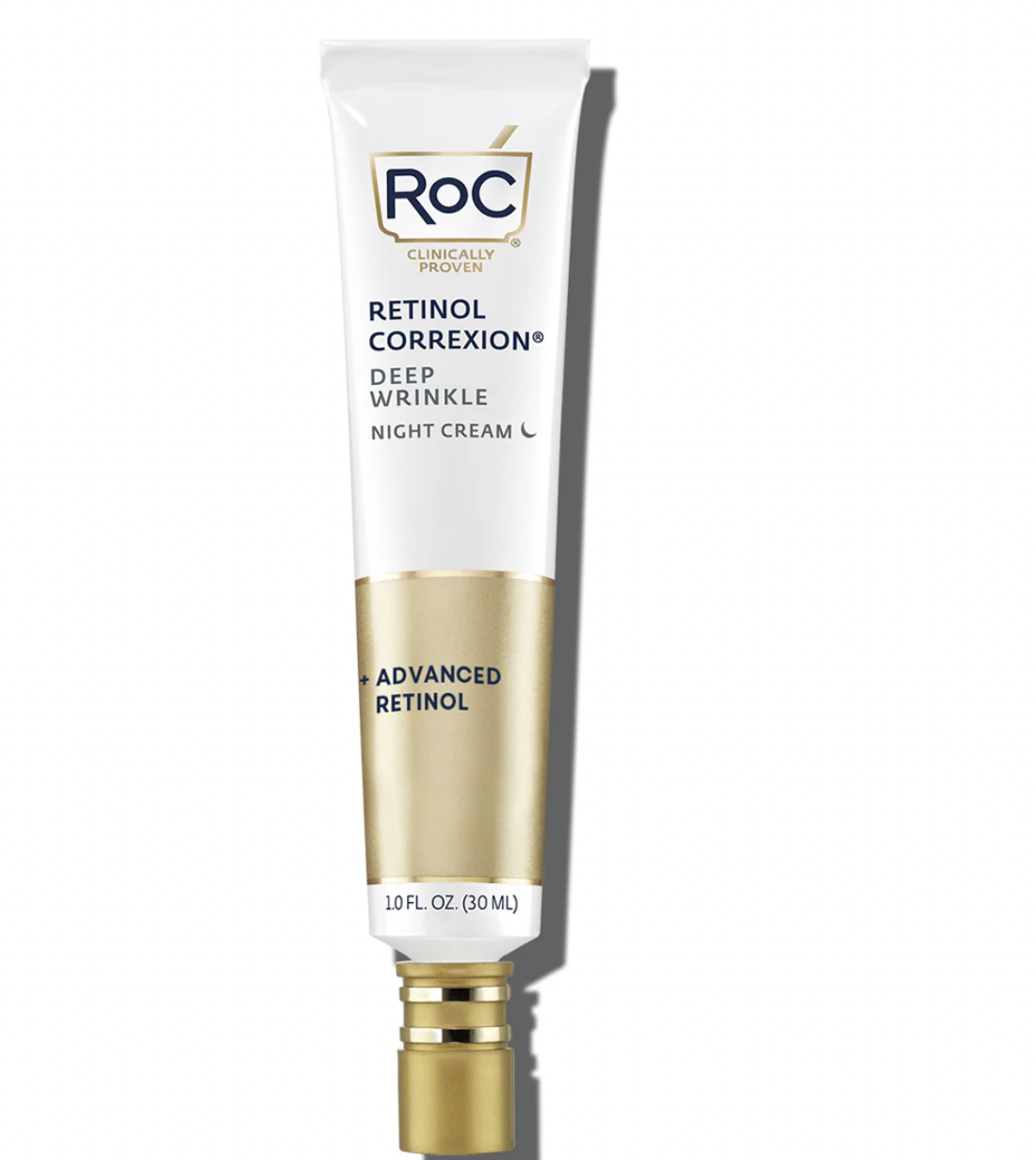
An affordable option that targets deep wrinkles, this night cream is non-comedogenic and suitable for daily use.
Paula’s Choice Clinical 0.3% Retinol + 2% Bakuchiol Treatment
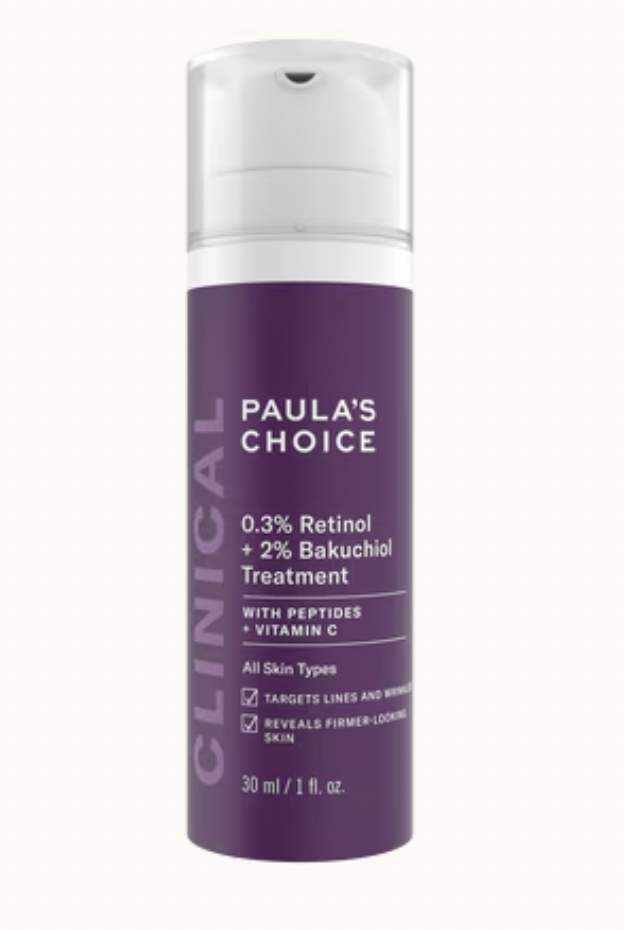
This treatment combines retinol with bakuchiol, a plant-based alternative, to enhance efficacy while minimizing potential irritation.
Herbivore Bakuchiol Retinol Alternative Smoothing Serum
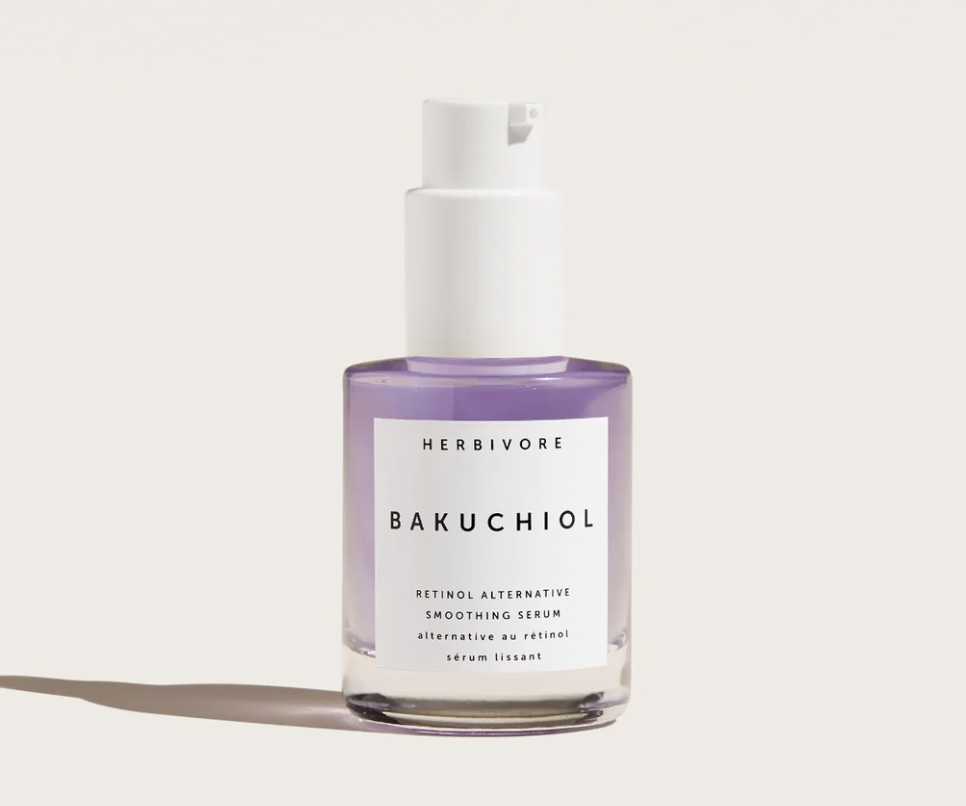
For those seeking a retinol alternative, this serum utilizes bakuchiol to promote youthful skin without the irritation sometimes associated with retinol.
When selecting a product, consider your skin type and any sensitivities. It’s advisable to perform a patch test before full application and consult with a dermatologist to tailor the best skincare regimen for your needs.
Read A Budget-Friendly At-Home Spa Day: 9 Relaxing Activities.
Let’s Have a Conversation:
Have you ever used retinol products? What is your experience with retinol? Do you have any tips for our Sixty & Me readers? Do you have a favorite product that contains retinol? Tell us about it in the comments below.
Tags Mature Skin Care


I tried retinol products in my 30s but I developed redness to my face. My sister swears by collagen supplements but there’s no proof they actually work.
My trick for good skin is not to be a sun worshipper and to eat a healthy balanced diet.
Retinol always give me a headache and I can’t use them. Only products that contain HA are okay but they don’t really work. I’ve tried your alternatives as well, but they do nothing for my skin. I guess I’m stuck with moisturizers.
Valerie, my good friend had the same reaction, and her doctor (dermatologist) recommended over the counter Differin, a milder but still effective and not that expensive thing. She loves it and has had good results. It might not work for you, but it is not expensive and maybe worth a try? Good luck!
A reader posted a comment on a similar post which ran the other day about skin products for older women. She noted that retinoids increase triglycerides, or, raise cholesterol levels. This is very important for post-menopausal women, because cholesterol levels tend to rise. I’ve been using tretinoin for the past few months. I’ve found just a bit of improvement at age 72. I had been using retinols since my 30’s, but these products really don’t improve much older skin. Learning about rising cholesterol levels was just the push I needed to ditch this product.