


Ultimate Guide for Traveling with Your Dog in the USA
Are you preparing to travel with your dog? Is this your first time venturing out with your furry family member? There are several factors to keep in mind when traveling with your pet. Both car travel and air travel entail distinct considerations and requirements.
Traveling with a dog requires careful planning and consideration to ensure a smooth and enjoyable journey. This comprehensive guide will explore everything you need to know for a safe trip with your canine companion.
First, Talk to Your Veterinarian
- Health Assessment
- Vaccinations, Parasite Control
- Health Certificate
- Motion Sickness
- Emergency Preparedness
- Anxiety Management
Car Travel with Your Dog
- Safety Measures
- How To Choose a Harness or Seat Belt
- Seat Placement
- Temperature Control
- Comfort
- Preparation and Planning
Air Travel with Your Dog
- Cabin or Cargo
- Airline Policies
- Crate Preparation
- Documentation
- Airport Procedures
- Airport Dog Parks
- Airports in the USA with Dog Parks
- Post Flight
Whether hitting the road or taking to the skies, careful planning, preparation, and consideration of your dog’s needs are essential for a safe and enjoyable journey.
First, Talk to Your Vet
Seeing your veterinarian before going on a trip with your dog is crucial for ensuring their health and well-being during travel.
Here are several reasons why a pre-travel vet visit is essential:
Health Assessment
Your veterinarian can conduct a comprehensive health assessment to ensure your dog is fit for travel. They will check for any underlying health issues or conditions that may affect your dog’s ability to tolerate travel stress, such as heart problems, respiratory issues, or mobility issues.
Vaccination and Parasite Control
Ensure your dog’s vaccinations are up-to-date, especially if you’re traveling to areas where certain diseases are prevalent. Your vet can administer any necessary vaccines and provide recommendations for parasite control to protect your dog from fleas, ticks, and other parasites.
Health Certificate
If you’re traveling across state lines or internationally, you may need a health certificate issued by your veterinarian. This document confirms that your dog is in good health and meets the specific travel requirements imposed by regulatory authorities.
Prevention and Management of Motion Sickness
Some dogs are prone to motion sickness during car travel, which can cause discomfort and distress. Your veterinarian can provide tips and recommendations for preventing and managing motion sickness in your dog, such as:
- Feeding your dog a light meal several hours before travel to prevent an empty stomach, which can contribute to nausea.
- Keeping the car well-ventilated and avoiding sudden stops or erratic driving maneuvers.
- Using calming aids or medications prescribed by your vet, such as anti-nausea medications or supplements.
- Gradually acclimating your dog to car travel through short trips and positive reinforcement.
Identification and Emergency Preparedness
Ensure your dog has proper identification, including a collar with an ID tag containing your contact information and a microchip with current registration details. In the event your dog becomes lost or separated from you during travel, proper identification increases the chances of a safe reunion.
Your veterinarian can provide guidance on emergency preparedness and first aid for common travel-related issues, such as injuries, allergic reactions, or overheating. They may recommend items to include in a travel first-aid kit and provide instructions on administering basic first aid if needed.
Behavioral and Anxiety Management
If your dog experiences anxiety or behavioral issues during travel, your veterinarian can offer advice and strategies for managing stress and promoting relaxation. This may include techniques such as desensitization and counterconditioning, as well as the use of pheromone diffusers or calming supplements.
Car Travel with Your Dog
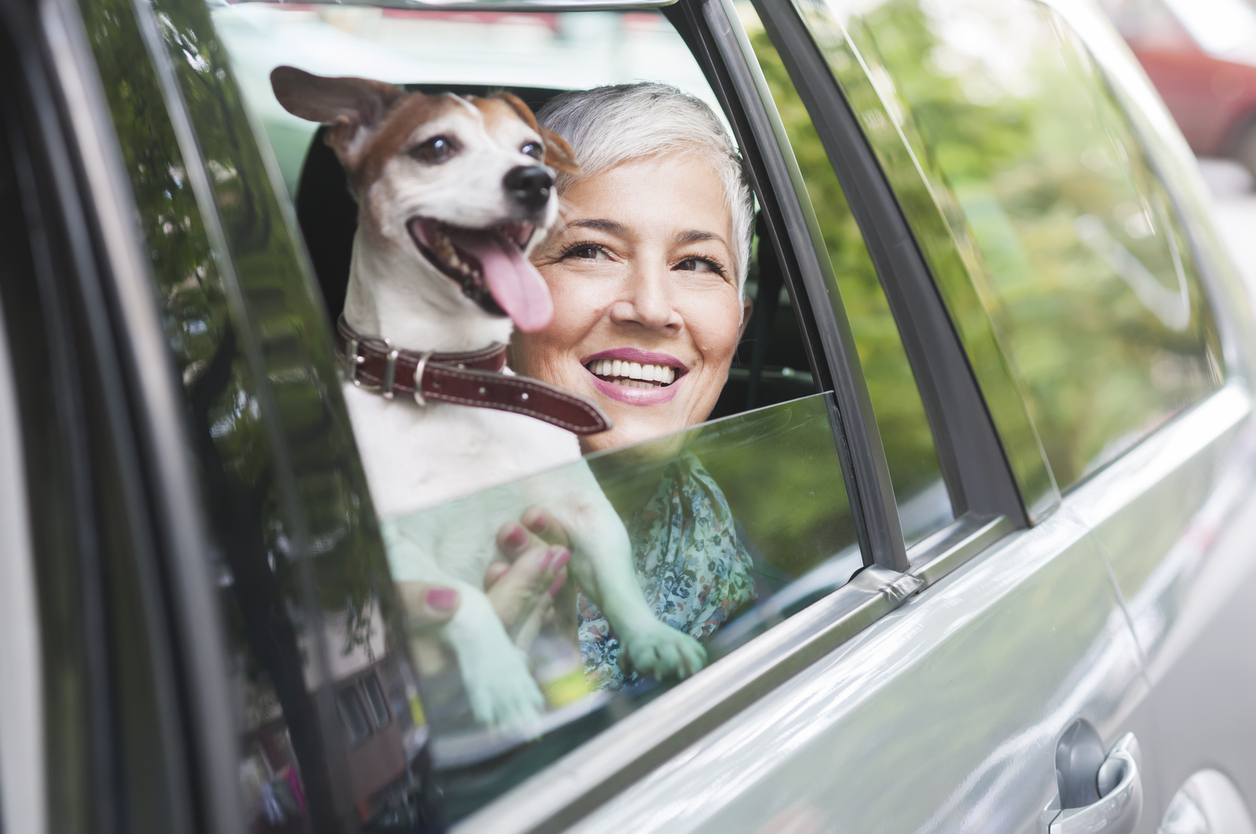
Safety Measures
Restraints
There are two methods available to secure your dog during car travel. Your choice between them will depend on your dog’s personality, anxiety level, and familiarity with car travel.
Pet Carrier
You can use a well-ventilated pet carrier to secure your dog during car travel. This prevents your dog from wandering around the vehicle, reducing distractions and the risk of injury in case of sudden stops or accidents.
Harness/Dog Seat Belt
Using a harness or seat belt specifically designed for car travel allows you to secure your dog safely to the seat or seat belt, ensuring it remains in place and minimizing the risk of injury in case of sudden stops or accidents.
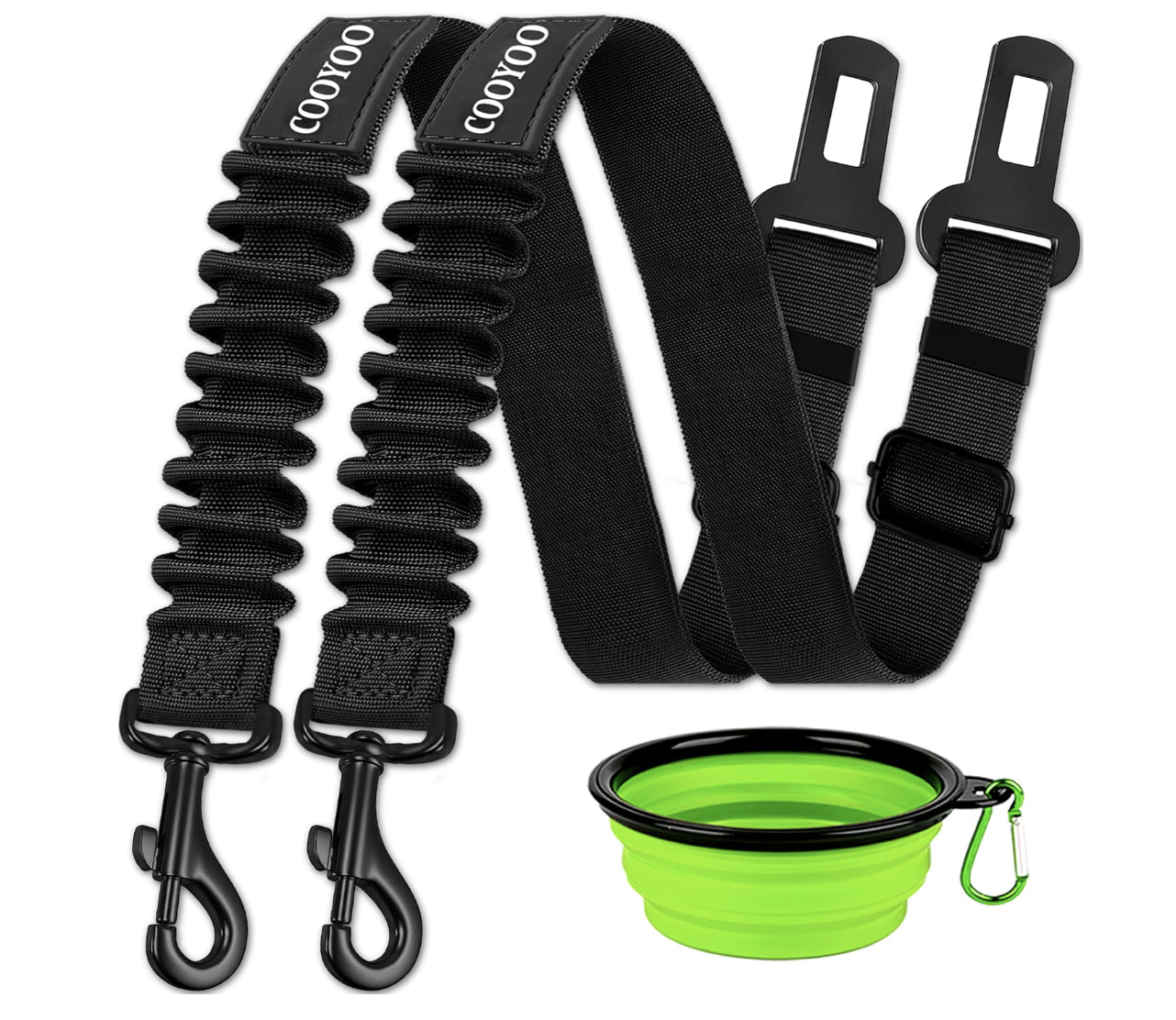
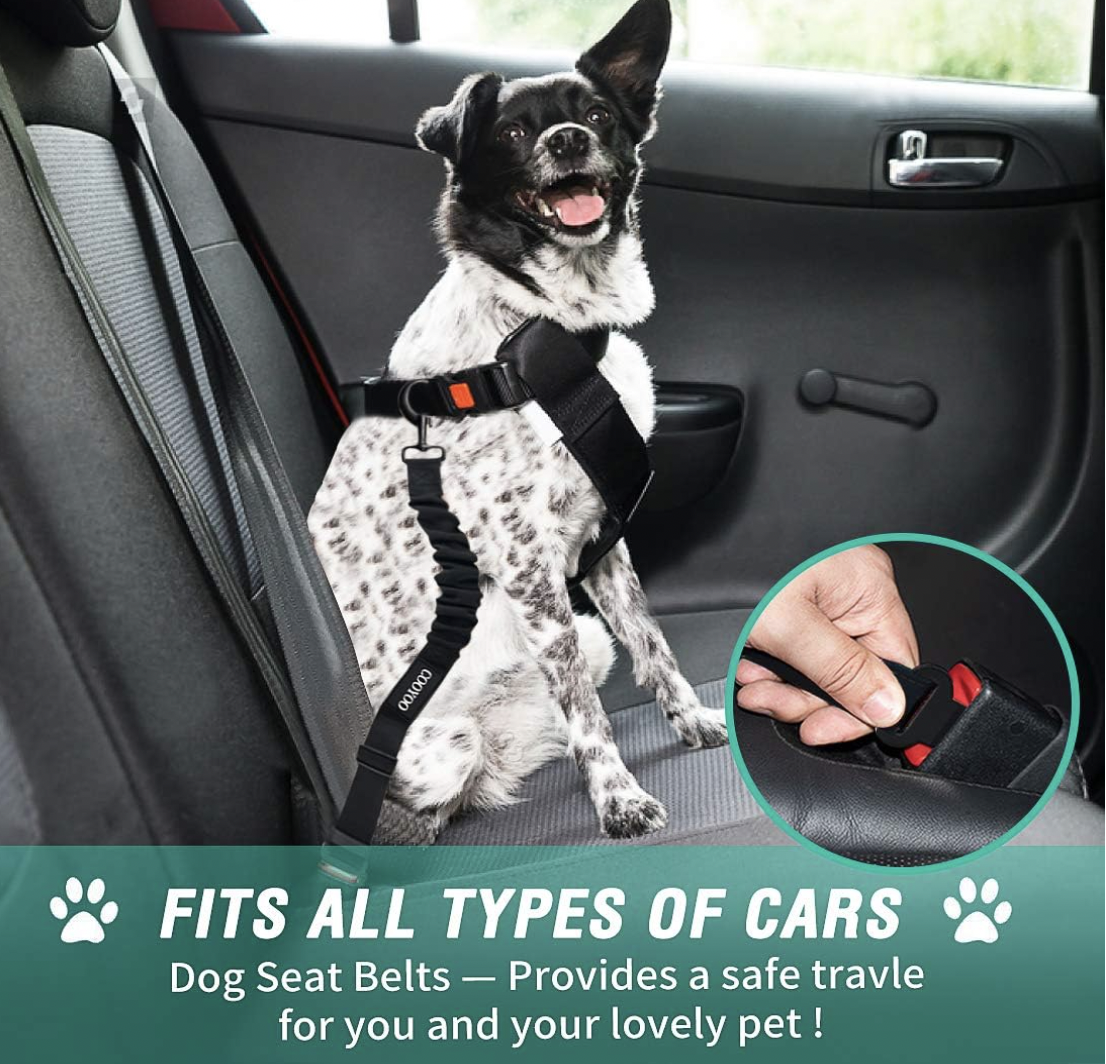
COOYOO Dog Seat Belt, 3 Piece Set Retractable Dog Car Harness Adjustable Dog Seat Belt for Vehicle on Amazon.
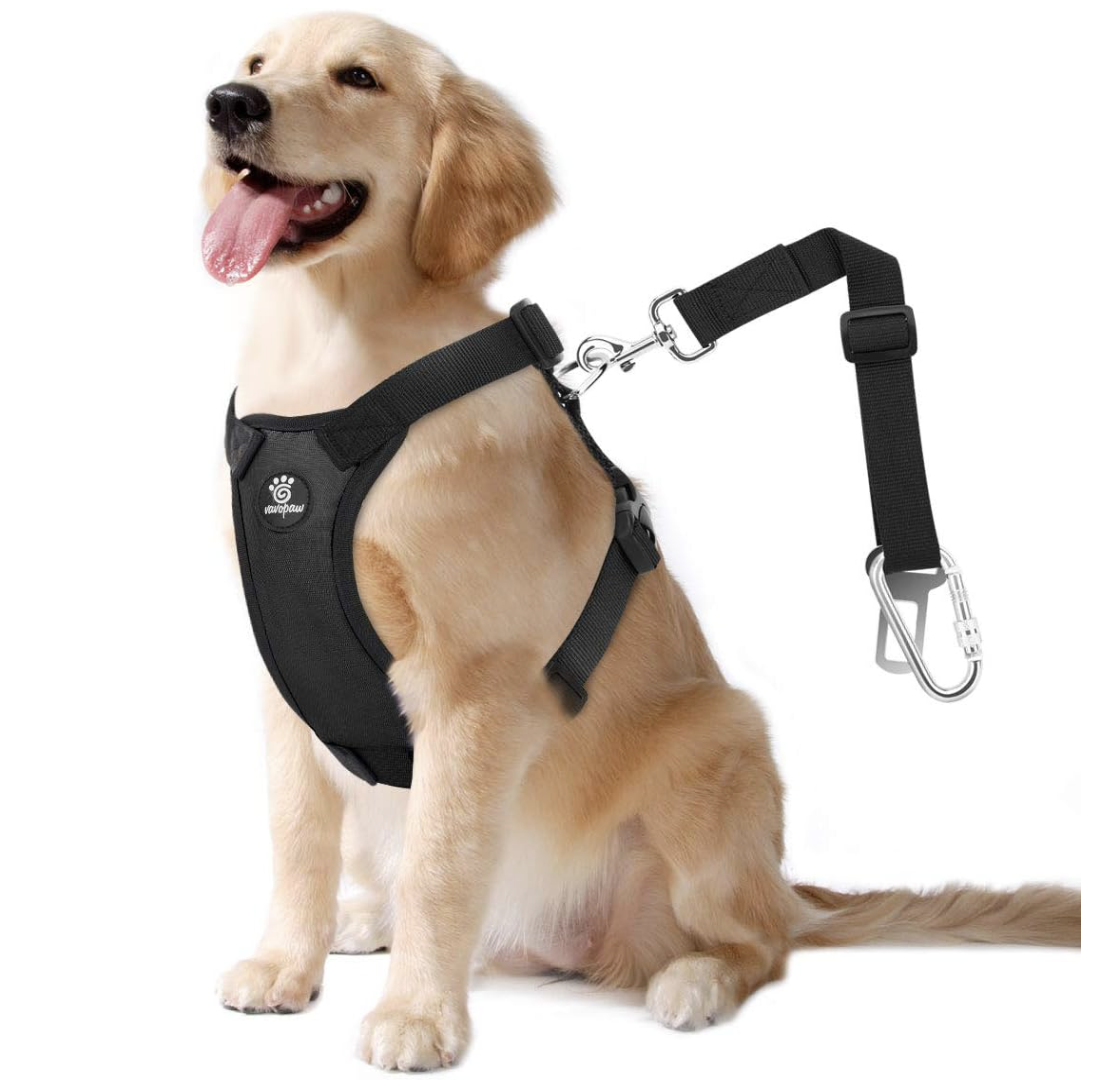
Dog Vehicle Safety Vest Harness, Adjustable Soft Padded Mesh Car Seat Belt Leash Harness with Travel Strap and Carabiner for Most Cars on Amazon.
How to Choose a Harness or Seat Belt
Purchasing a harness or seat belt requires careful consideration to ensure the safety and comfort of your furry friend.
Here’s a guide on how to shop for these essential pet travel accessories:
Measure Your Dog
Before shopping for a harness or seat belt, measure your dog’s chest girth and neck circumference to ensure you select the right size. Most manufacturers provide sizing guides to help you choose the appropriate size for your pet.
Choose the Right Type
There are different types of harnesses and seat belts available, each serving a specific purpose:
- Harness – Provides full-body coverage and distributes pressure evenly across your dog’s body. Suitable for dogs who tend to pull or have neck injuries.
- Seat Belt – Designed to attach to your dog’s collar or harness and secure them to the seat belt buckle. Provides restraint and prevents your dog from moving around the vehicle.
Check for Safety Features
- Look for harnesses or seat belts that are crash-tested and certified for safety. Check for features such as sturdy construction, durable materials, and strong buckles or attachments.
- Ensure that the harness or seat belt is compatible with your vehicle’s seat belt system to guarantee a secure fit.
Consider Comfort and Fit
- Opt for a harness or seat belt that is padded and adjustable to ensure your dog’s comfort during car travel. Look for features such as breathable mesh panels and soft padding to prevent chafing or discomfort.
- Choose a harness with adjustable straps to achieve a snug and secure fit without restricting your dog’s movement.
Evaluate Durability and Quality
- Invest in a high-quality harness or seat belt made from durable materials that can withstand wear and tear. Check for reinforced stitching and sturdy hardware to ensure longevity and reliability.
- Read customer reviews and testimonials to gauge the durability and performance of the product before making a purchase.
Check for Ease of Use
- Choose a harness or seat belt that is easy to put on and take off, especially if you frequently travel with your dog. Look for features such as quick-release buckles and adjustable straps for hassle-free use.
- Test the harness or seat belt to ensure it can be securely attached to your dog and the vehicle’s seat belt system without difficulty.
Seat Placement
Preferably, place your pet in the back seat of the vehicle rather than the front seat. This is especially important if your vehicle is equipped with airbags in the front passenger seat. Airbags are designed to deploy rapidly in the event of a collision to protect occupants. However, they can pose a serious risk to pets, particularly smaller animals, if they are in the path of deployment.
Consider placing your dog behind the passenger seat if you are driving. This location allows you to glance over and check on your dog. Positioning your dog in a spot where you have clear visibility and easy access ensures that you can monitor their behavior, comfort, and well-being throughout the journey.
Temperature Control
Ensure proper ventilation and temperature control within the vehicle. Avoid leaving your dog in a parked car, especially in hot weather, as it can lead to heatstroke and other health issues.
Comfort and Convenience
Frequent Breaks
Plan regular rest stops to allow your dog to stretch their legs, relieve themselves, and stay hydrated. Bring along water and a travel bowl to keep your pet refreshed during breaks.

Collapsible Dog Bowls for Travel, 2-Pack Dog Portable Water Bowl for Dogs Cats Pet Foldable Feeding Watering Dish for Traveling on Amazon
Comfortable Accommodations
Create a comfortable and familiar space for your dog within the car. Pack their favorite blanket or toy to help them feel at ease during the journey.
Preparation and Planning
Pre-Trip Training
Gradually acclimate your dog to car travel by taking short trips and rewarding them with treats and praise. This helps reduce anxiety and motion sickness during longer journeys.
Emergency Kit
Pack a pet-specific emergency kit containing essential items such as first-aid supplies, medications, and contact information for veterinary clinics along your route. Your vet can advise what is best to include in your dog’s first aid kit.
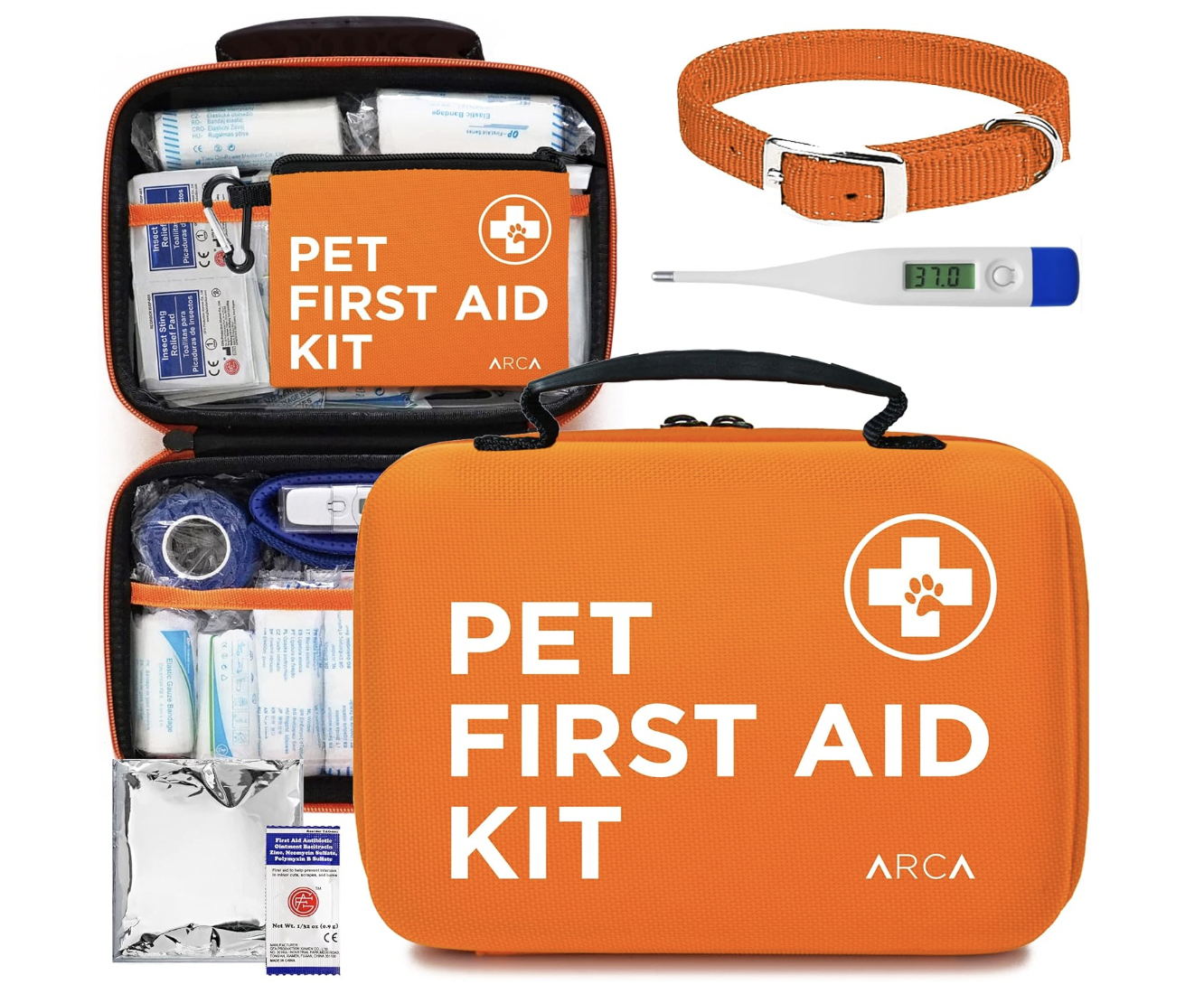
Cat & Dog First Aid Kit Travel Car First Aid Kit Emergency Kit on Amazon
Air Travel with Your Dog
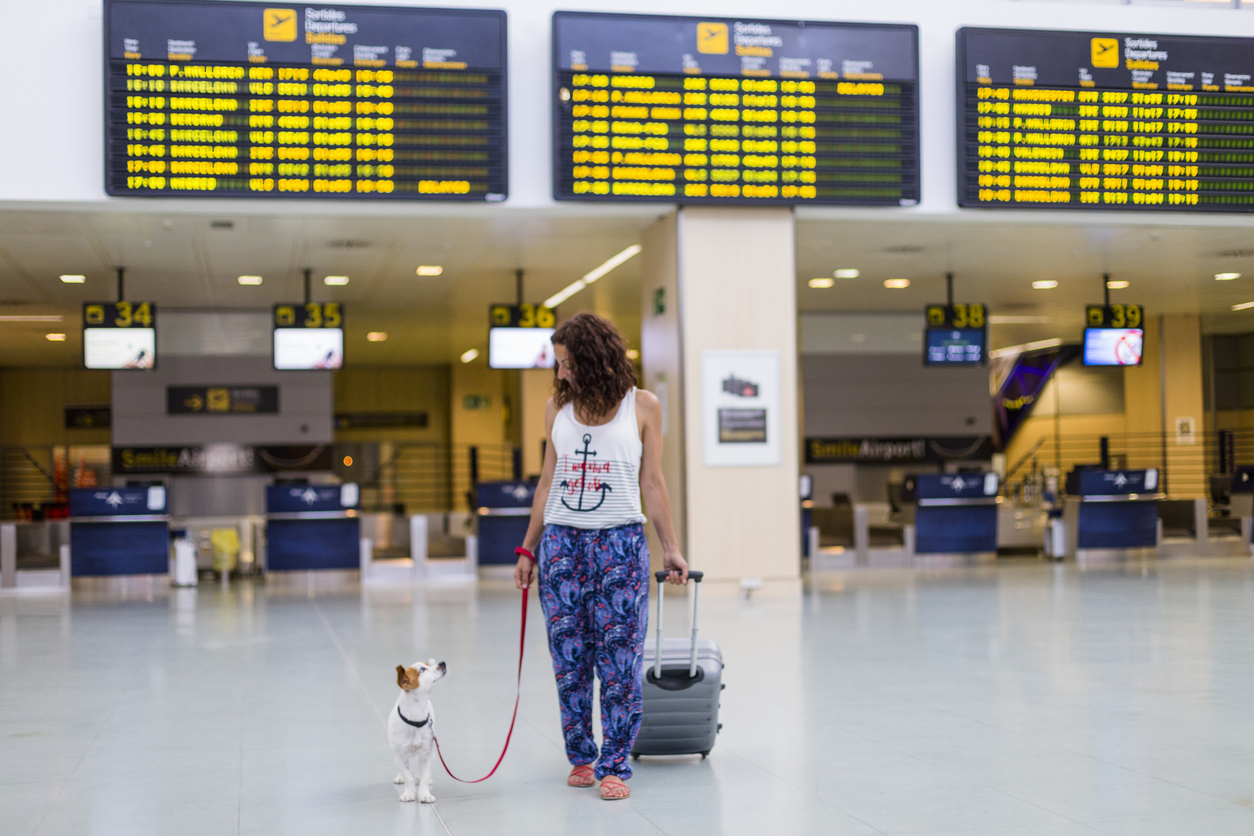
Cabin or Cargo?
Whether a dog travels in the cabin or as cargo during air travel depends on several factors.
Size and Weight Restrictions
Many airlines have specific size and weight limits for pets traveling in the cabin. Generally, small dogs that can comfortably fit in an airline-approved carrier under the seat in front of you are allowed in the cabin. Larger dogs may need to travel as cargo due to space constraints.
Breed Restrictions
Some airlines may have breed restrictions or limitations on certain breeds traveling in the cabin. This is often based on safety concerns or breed-specific regulations. Brachycephalic (short-nosed) breeds, for example, may face restrictions due to respiratory issues that can be exacerbated by air travel.
Health and Age Requirements
Airlines typically require pets traveling in the cabin to be in good health and meet specific age requirements. They may request a health certificate from a veterinarian to ensure the pet is fit for travel. Puppies and senior dogs may have additional restrictions or requirements.
Availability of Space
The availability of cabin space also plays a role in determining whether a pet can travel in the cabin or as cargo. Airlines limit the number of pets allowed in the cabin on each flight to ensure the safety and comfort of all passengers, including those with allergies or sensitivities to pets.
Pet Carrier Compliance
Pets traveling in the cabin must be transported in an airline-approved carrier that meets size, weight, and safety requirements. The carrier must fit under the seat in front of you and provide adequate ventilation and security for the pet.
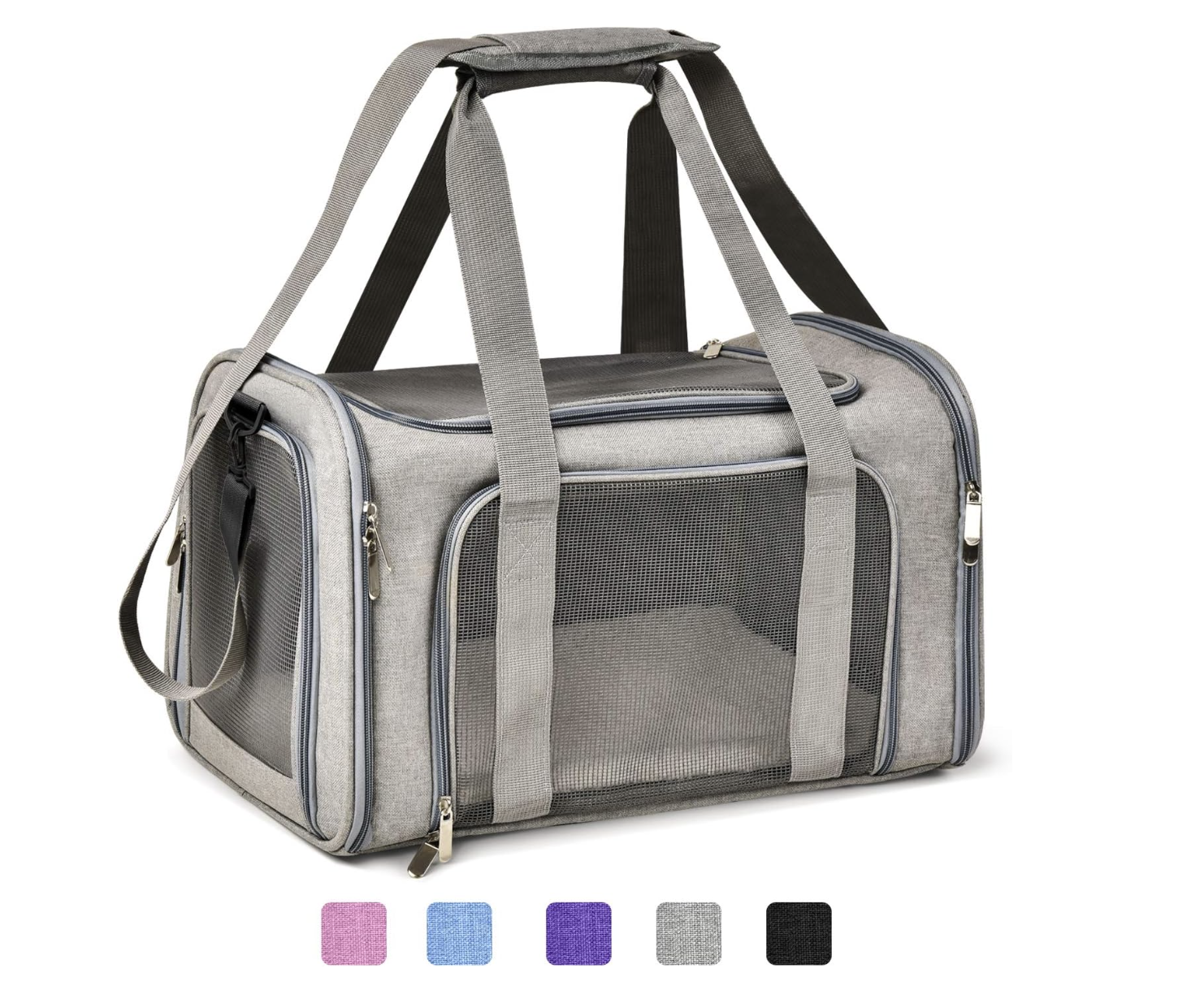
Henkelion Cat, Dog Carrier for Small Medium Cats and Puppies up to 15 Lbs, TSA Airline Approved
Passenger Preferences and Fees
Some airlines may offer passengers the option of choosing whether their pet travels in the cabin or as cargo, depending on their preferences and the specific circumstances of the journey. However, this may be subject to availability and additional fees or restrictions.
Special Circumstances
In certain situations, such as service animals or emotional support animals, exceptions may be made for pets to travel in the cabin regardless of size or breed. Specific requirements and documentation may be necessary to qualify for these accommodations.
Research Airline Policies
Research the pet policies of different airlines, as they vary in terms of pet size restrictions, breed limitations, seasonal restrictions, and additional fees. Choose an airline that offers pet-friendly accommodations and adheres to safety regulations.
Here is a general overview of the pet policies of some major airlines in the United States.
American Airlines
- American Airlines allows small pets to travel in the cabin for a fee. Pets must be at least 8 weeks old and fit comfortably in an approved carrier under the seat. There are restrictions on the number of pets allowed per flight, and advance reservations are required.
- Larger pets may be transported as checked baggage or cargo, subject to specific requirements and fees.
Delta Air Lines
- Delta Air Lines permits small pets to travel in the cabin for a fee. Pets must be at least 10 weeks old for domestic flights and 16 weeks old for international flights. Advance reservations and proper documentation are required.
- Larger pets may be transported as checked baggage or cargo, subject to specific requirements and fees.
United Airlines
- United Airlines allows small pets to travel in the cabin for a fee. Pets must be at least 16 weeks old and fit comfortably in an approved carrier under the seat. Advance reservations and proper documentation are required.
- Larger pets may be transported as checked baggage or cargo, subject to specific requirements and fees.
Southwest Airlines
- Southwest Airlines permits small pets to travel in the cabin for a fee. Pets must be in an approved carrier that fits under the seat. Only small dogs and cats are allowed, and there is a limit of one pet carrier per passenger.
- Southwest does not accept pets as checked baggage or cargo.
JetBlue Airways
- JetBlue Airways allows small pets to travel in the cabin for a fee. Pets must be at least 8 weeks old and fit comfortably in an approved carrier under the seat. Advance reservations are required.
- Larger pets may be transported as checked baggage or cargo, subject to specific requirements and fees.
Alaska Airlines
- Alaska Airlines permits small pets to travel in the cabin for a fee. Pets must be at least 8 weeks old and fit comfortably in an approved carrier under the seat. Advance reservations are required.
- Larger pets may be transported as checked baggage or cargo, subject to specific requirements and fees.
Policies may be subject to change, so it’s advisable to check with the airline directly or review their official website for the most up-to-date information before making travel arrangements with your pet.
Crate Preparation
Appropriate Crate
Invest in an airline-approved pet carrier that provides ample space for your dog to stand, turn around, and lie down comfortably. Ensure the crate is well-ventilated and secure to prevent escapes during transit.
Identification
Attach a label with your contact information to the crate, including your name, phone number, and destination address. Consider placing a familiar item, such as a blanket or toy, inside the crate to provide comfort to your dog during the flight.
Health and Documentation
Health Certification
Obtain a health certificate from your veterinarian confirming that your dog is fit to travel by air. Some airlines may require specific health documents, so check their requirements in advance.
Vaccination Records
Ensure your dog’s vaccinations are up-to-date and bring along copies of their vaccination records to present to airline staff if requested.
Airport Procedures
Arrival Time
Arrive at the airport well in advance of your flight to allow sufficient time for check-in and security procedures. Check with airline staff for specific instructions regarding pet check-in and documentation.
Security Screening
Be prepared to remove your dog from their crate during security screening. Follow instructions from airport staff and ensure your pet remains calm and cooperative throughout the process.
Airport Dog Parks
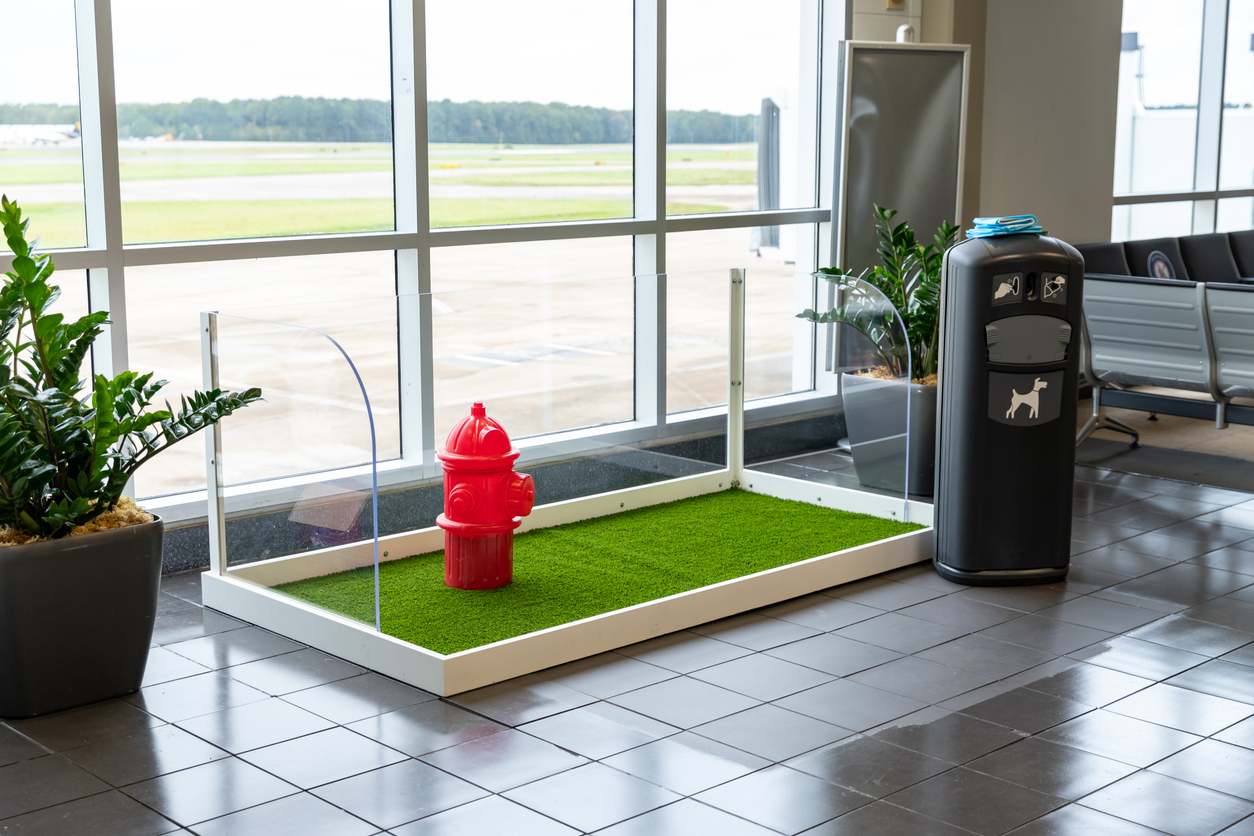
Airports with dog parks offer a convenient and pet-friendly amenity for travelers accompanied by their furry companions. These dedicated spaces provide a welcome respite for pets during long layovers or travel delays and contribute to a positive travel experience for both pets and their owners.
Secure Enclosures
Dog parks within airports typically feature secure enclosures or fenced areas to ensure the safety of pets. These enclosures prevent dogs from wandering off and provide a controlled environment where they can play and interact freely.
Grassy Areas
Many airport dog parks are equipped with grassy areas where dogs can stretch their legs, run, and engage in physical activity. These grassy spaces mimic outdoor environments and provide a natural setting for dogs to explore and enjoy.
Pet Relief Stations
In addition to grassy areas, airport dog parks often include designated pet relief stations equipped with waste disposal bags, trash receptacles, and cleanup supplies. These stations allow pet owners to conveniently clean up after their dogs and maintain a clean and sanitary environment.
Benches or Seating
To accommodate pet owners, airport dog parks may feature benches or seating areas where you can sit and supervise your dogs while they play. These seating areas provide a place for pet owners to rest and relax while their dogs enjoy some exercise.
Water Stations
To keep pets hydrated, airport dog parks may offer water stations or fountains where dogs can drink and refresh themselves. Providing access to clean, fresh water is essential for maintaining the health and well-being of pets, especially during travel.
Signage and Guidelines
Airport dog parks typically feature signage and guidelines outlining rules and regulations for pet owners to follow while using the facility. These guidelines may include leash requirements, waste cleanup protocols, and behavior expectations for pets and their owners.
Airports in the USA with Dog Parks
Several airports in the USA are known for their pet-friendly amenities, including dog parks. Here are some airports in the United States that have dog parks:
Hartsfield-Jackson Atlanta International Airport (ATL)
Hartsfield-Jackson Atlanta International Airport features an off-leash dog park called “Paw Park” located on the arrivals level outside of the Ground Transportation area at Domestic Terminal South. The park provides a fenced-in area with artificial turf, benches, waste disposal stations, and water fountains.
John F. Kennedy International Airport (JFK)
John F. Kennedy International Airport offers an outdoor pet relief area located near Terminal 4. The area is equipped with artificial turf, waste disposal bags, and benches for pet owners.
Los Angeles International Airport (LAX)
Los Angeles International Airport provides a 70-foot outdoor pet relief area called the “LAX Pets Unleashed” located outside Terminal 2. The area features a fire hydrant, artificial turf, and waste disposal stations.
Denver International Airport (DEN)
Denver International Airport offers two outdoor pet relief areas located outside of Jeppesen Terminal on both the east and west sides. These areas provide artificial turf, waste disposal bags, benches, and water bowls.
Dallas/Fort Worth International Airport (DFW)
Dallas/Fort Worth International Airport features two designated pet parks located in each terminal. These parks offer fenced-in areas with artificial turf, waste disposal stations, and benches for pet owners.
Portland International Airport (PDX)
Portland International Airport provides a pet relief area located outside the terminal near the south baggage claim area. The area includes artificial turf, waste disposal bags, benches, and water fountains.
Seattle-Tacoma International Airport (SEA)
Seattle-Tacoma International Airport offers a pet relief area located outside the main terminal near the baggage claim area on the south side. The area features artificial turf, waste disposal stations, and water bowls.
Post-Flight Considerations
Recovery Period
Upon arrival at your destination, allow your dog time to rest and recover from the journey. Offer water and a chance to relieve themselves before continuing your travels.
Acclimation
Help your dog acclimate to its new surroundings gradually, especially if it is traveling to a different climate or time zone. Stick to familiar routines and provide plenty of reassurance and attention to ease any stress or anxiety.
Also read, TRAVELLING WITH A PET? THESE 8 THINGS MAY SAVE YOUR SANITY!
Let’s Have a Conversation:
Have you ever traveled with your dog? Are you planning a trip with your furry friend for the first time? Are you driving or flying? Tell us about your experience traveling with your dog.


We have a 75lb Labrador. During Covid, we weren’t sure if we would ever be able to travel again. After Covid, we purchased a house in Florida (we actually live in California). Driving is the only way to get our dog to Florida. 5-6 days on the road. Rest stops (especially in the South) do not allow dogs in the actual restrooms with you, and with 100 degrees outside, we can’t leave him in the car. So, if you are traveling alone with a large dog, it really causes issues with rest stops. Our solution was to purchase a small RV. That way, he can stay in the RV at rest stops with the generator and AC on. It was the only way to do this!
This article is a bad combination of inaccuracies and stunningly obvious reminders. To my knowledge, no major airlines will accept a dog as checked baggage or cargo. In cabin dogs, and their container, must weigh in at under twenty pounds. Health certificates are no longer required.
My husband and I are full time RVers so we travel all the time with our cocker spaniel. She likes to look out the window so we bought her a booster seat. We had to try a few to get the one that works best for us, but Amazon is good about taking returns. She’s much calmer if she can see what’s going on outside. So much to consider when traveling with a dog or cat. Thanks for the article.